UK Design Universities: A Sketch Overview for Art & Design Aspirants
- desizn circle International
- May 30
- 6 min read
The UK has some of the strongest art, design, fashion, communication, architecture and creative education institutions in the world. The universities shown in this sketch overview represent different kinds of creative learning environments: specialist art schools, large universities with strong design departments, fashion-focused institutes, and postgraduate-led design schools. This article is not a ranking. It is an overall guide for students and parents to understand what each college is known for, how admissions generally work, what the fees may look like, and how competitive the application can be when applying with a strong portfolio.

Royal College of Art, London is one of the most prestigious postgraduate-only art and design institutions. It is best known for MA-level study in design, fashion, visual communication, product design, service design, architecture, innovation design engineering, textiles and fine art. Since RCA is postgraduate-focused, students usually apply after completing a bachelor’s degree or equivalent creative experience. Admission is highly competitive and depends heavily on a mature portfolio, strong research direction, personal statement and interview. RCA states that fees depend on fee status and programme, and students should check the individual course page for exact costs.

University of the Arts London — UAL is a major creative university made up of well-known colleges such as Central Saint Martins, London College of Fashion, London College of Communication, Chelsea, Camberwell and Wimbledon. It is known for fashion design, fashion communication, fine art, graphic design, illustration, animation, interior and spatial design, photography, branding, media and communication. UAL offers foundation, undergraduate and postgraduate pathways. Admission is portfolio-led, and students must show research, experimentation, process, development and final outcomes. For postgraduate international applicants, UAL lists 2026/27 fees for many MA/MSc/MRes courses around £30,890–£34,885 for 45-week courses, depending on the fee band.

The Glasgow School of Art is a specialist art school in Scotland, known for fine art, communication design, interior design, architecture, product design and interaction design. It has a strong studio culture and is suited for students who want a concept-driven and practice-led environment. Undergraduate admissions usually require academic qualifications, a digital portfolio and sometimes an interview. Postgraduate admissions focus on portfolio, proposal, statement and prior creative study. GSA says annual fees depend on whether a student is Scottish, rest of UK or international, and by programme level; its 2026/27 fee page also lists international foundation fee information.

Kingston University London is especially respected for fashion, graphic design, illustration, product and furniture design, animation, architecture and creative practice. It is a strong choice for students who want a London-based university with a practical, industry-connected design culture. Admission for creative courses generally requires a portfolio that shows drawing, research, idea development, experimentation and final work. For 2026/27, Kingston lists international undergraduate art and design fees from £21,400 in Year 1, increasing across later years.

Goldsmiths, University of London is known for fine art, design, visual cultures, curating, creative computing, media and cultural studies. It is a good option for students whose work is conceptual, research-led, experimental or socially engaged. Admissions often look for original thinking, critical awareness, written clarity and a portfolio that reflects personal direction. Goldsmiths notes that international students must check programme pages for exact fees and self-financing international students usually pay an advance fee payment of £4,000 to secure a place.

Arts University Bournemouth — AUB is a specialist creative university know
n for animation, illustration, graphic design, film, photography, costume, architecture, modelmaking, fine art and visual communication. It is especially strong for students looking for a creative campus environment with practical making, studio work and industry-focused outcomes. Admission is usually through UCAS for UG, with portfolio review for creative courses; PG applications require portfolio, proposal or personal statement depending on the course. AUB’s official pages separate undergraduate and postgraduate fee guidance and advise students to check the fee section for their course level.

University for the Creative Arts — UCA has campuses across the UK and is known for fashion, animation, film, illustration, graphic design, fine art, interior architecture, photography and creative business. It is suitable for students who want a specialist creative university with multiple course options and practice-based learning. Admission generally requires academic documents, personal statement and portfolio for most creative courses. For 2026/27, UCA lists international undergraduate tuition at £18,000 for BA/BSc three-year degrees and integrated foundation routes.

Leeds Arts University is the only specialist arts university in the North of England and is known for illustration, graphic design, fine art, animation, fashion design, photography, filmmaking, comic and concept art, creative advertising and visual communication. It is a strong option for students who want a specialist art-school environment outside London. Leeds Arts says many undergraduate courses require a portfolio or audition submitted through the applicant portal, while postgraduate applicants usually submit a personal statement, reference and 10–15 pieces of portfolio work.
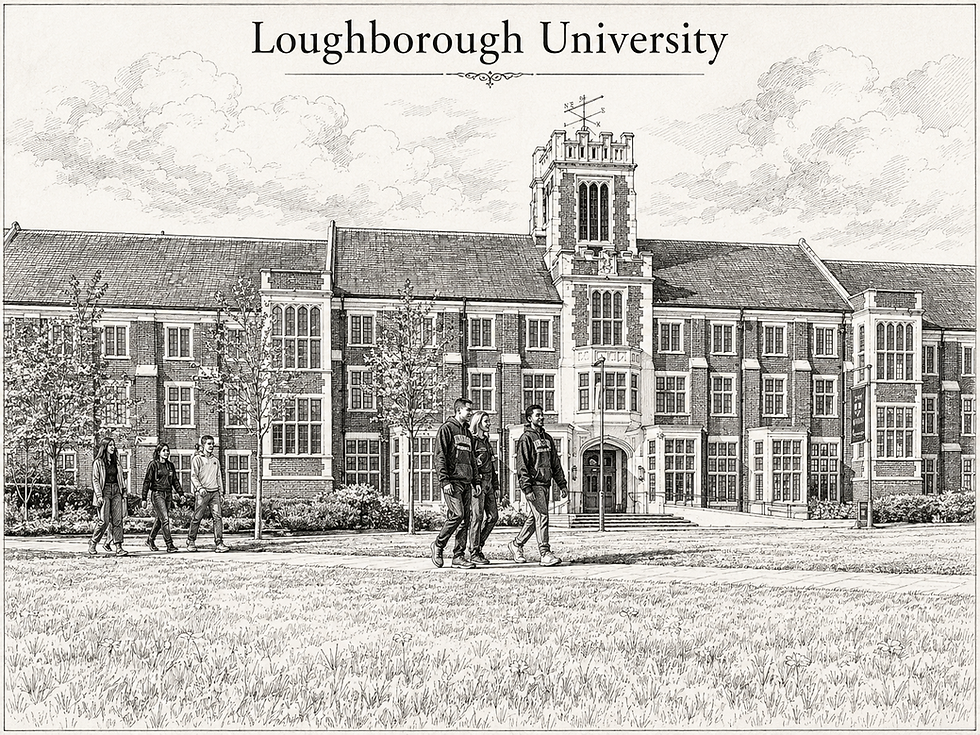
Loughborough University is a large university with strong design, design innovation, product design, industrial design, UX, service design, communication and creative arts pathways. It is ideal for students who want design with research, technology, innovation, user experience and industry projects. UG admission may include portfolio depending on the course, while PG design courses often expect a strong academic background and relevant work. For 2026/27, Loughborough lists international undergraduate Design BA tuition at £30,700, and its Art and Design Foundation Studies international fee at £19,500.

Nottingham Trent University — NTU is known for fashion design, textile design, knitwear, graphic design, product design, photography, decorative arts, fine art, illustration and interior architecture. It has one of the UK’s well-known art and design schools and is often considered practical, industry-facing and portfolio-friendly. NTU describes Nottingham School of Art & Design as a leading art and design school with over 175 years of creative education history. For 2026 entry, NTU lists international undergraduate fees of £18,700 for Nottingham School of Art & Design courses.

Manchester Metropolitan University is known for fashion, graphic design, illustration, product design, animation, photography, fine art, architecture and creative digital practice. It suits students looking for a large city-based university with a strong creative and cultural environment. Admissions usually include academic documents, personal statement and portfolio for creative courses. Manchester Met lists 2026 international tuition ranges of £20,000–£21,500 for undergraduate taught courses and £21,000–£22,500 for postgraduate taught courses.

Istituto Marangoni London is best known for fashion design, fashion styling, fashion business, luxury brand management, interior design, product design and visual design. It is more industry and fashion-market focused than a traditional university. Students apply online, select a course, fill the admission form, pay the enrolment fee and upload required documents. It is competitive for fashion-focused students, especially those applying to advanced or postgraduate pathways, because the portfolio must show visual taste, fashion awareness, research, styling/design ability and brand understanding.

Course Strengths by College
Fashion Design: UAL, Kingston University, Nottingham Trent University, Manchester Metropolitan University, Istituto Marangoni London, UCA, Leeds Arts University
Fine Art: Royal College of Art, UAL, Goldsmiths, Glasgow School of Art, Leeds Arts University, NTU
Graphic Design / Visual Communication: UAL, Kingston, Glasgow School of Art, Leeds Arts University, NTU, AUB, Manchester Met
Illustration: Kingston, AUB, Leeds Arts University, UAL, NTU, Manchester Met
Animation / Film: AUB, UAL, UCA, Leeds Arts University, Manchester Met
Product / Industrial / Service Design: Royal College of Art, Loughborough, Glasgow School of Art, Kingston, UAL
UX / Design Innovation: Loughborough, RCA, UAL, Goldsmiths, Manchester Met
Architecture / Interior / Spatial Design: RCA, UAL, Kingston, Glasgow School of Art, UCA, Manchester Met
Fashion Business / Luxury / Styling: Istituto Marangoni London, UAL, Manchester Met, UCA
Admission Process
For undergraduate courses, students usually apply through UCAS or the university portal. Most art and design courses require academic transcripts, personal statement, reference, English language proof and a portfolio. The portfolio should show sketchbook work, research, experimentation, idea development, material exploration, design process and final outcomes.
For postgraduate courses, applicants usually need a bachelor’s degree or equivalent experience, statement of purpose, CV, references, portfolio and sometimes a research proposal or interview. At MA level, colleges expect stronger personal direction, mature visual language and clarity of purpose.
Fees and Difficulty
As of May 2026 , Fees vary widely by course and year. As a broad international-student estimate, many UK creative UG courses fall between £18,000 and £31,000 per year, while postgraduate courses can range from around £20,000 to £35,000+, with RCA and some UAL programmes usually at the higher end. Always check the exact course page before publishing final fee numbers.
In terms of difficulty, RCA, UAL, Glasgow School of Art, Kingston and Goldsmiths are generally more competitive for portfolio-heavy courses. AUB, UCA, Leeds Arts, NTU and Manchester Met can be more accessible with a good, well-developed portfolio, but strong courses like animation, fashion, illustration and graphic design still require serious preparation. Istituto Marangoni London is competitive for fashion and luxury-related pathways, especially when the applicant’s work lacks focus or industry awareness.
A good portfolio does not need to look overly polished. It should show curiosity, originality, process, observation, experimentation, problem-solving and a clear creative voice. That is what makes the difference between a basic application and a strong design-school application.


Comments